Design Elements
Design Elements is more than just a collection of visuals—it's a powerful tool that can elevate your creative projects, streamline your design workflow, and bring your brand to life with consistent, professional aesthetics. Whether you're crafting logos, designing packaging, or creating social media graphics, the right set of hand-drawn design elements can make all the difference in how your message is received and perceived.
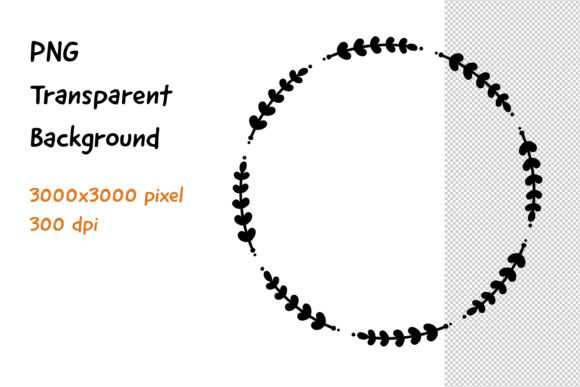
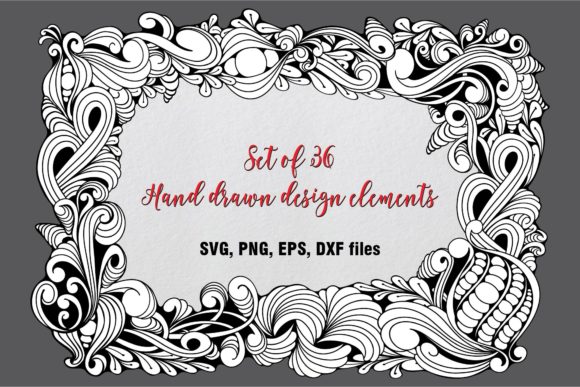
This particular set includes 36 unique hand-drawn design elements, offering versatility and creativity for a wide range of applications. Each element comes in multiple file formats—SVG for cutting machines like Silhouette and Cricut, PNG with transparent backgrounds for digital use, and DXF and EPS files for advanced editing. This ensures compatibility across platforms, making it easy to integrate these assets into your design process regardless of your preferred tools.
Why Design Elements Matter in Visual Communication
In graphic design, every visual choice contributes to the overall message. Design Elements help establish a cohesive visual language that supports branding, enhances user experience, and communicates ideas effectively. From typography to color schemes, each component plays a role in guiding the viewer’s attention and reinforcing key messages.
Hand-drawn elements, in particular, add a personal, artisanal feel that can differentiate your work from generic templates. They offer flexibility in composition and can be adapted to match various styles—from minimalist to intricate. This makes them ideal for both modern and traditional design approaches.
Applications Across Creative Projects
The versatility of this set allows it to be used in numerous creative fields. Here are some practical applications:
- Branding and Logo Design: Incorporate hand-drawn elements to create unique logos that reflect a brand’s personality and values.
- Social Media Graphics: Use these illustrations to add visual interest to posts, stories, and ads, helping to capture attention quickly.
- Packaging Design: Enhance product packaging with custom illustrations that align with the brand’s identity and appeal to the target audience.
- Web and UI/UX Design: Add subtle hand-drawn accents to websites and apps to improve usability and create a more engaging interface.
- Print Materials: These elements can be used in brochures, flyers, and posters to create a visually appealing layout that stands out.
Choosing and Using Design Elements Effectively
Selecting the right design elements involves understanding your project goals, target audience, and brand guidelines. Consistency is key—ensure that the style and tone of the elements align with your existing design systems. For example, if your brand uses a modern, clean aesthetic, opt for simpler, more geometric illustrations rather than overly detailed ones.
Scalability is another important factor. Since these assets come in high-resolution PNGs and scalable vector formats, they can be used across different mediums without losing quality. This makes them particularly useful for print and digital projects alike.
When integrating these elements into your designs, consider their placement and how they interact with other visual components such as typography and color. A well-balanced composition ensures that the design remains readable and aesthetically pleasing.
Remember, the goal is not just to include visuals but to enhance the storytelling and communication of your brand. Thoughtful use of design elements can transform a simple layout into a compelling visual narrative.
With the right approach, these 36 hand-drawn design elements can become an essential part of your creative toolkit, helping you produce work that is not only visually striking but also meaningful and impactful.