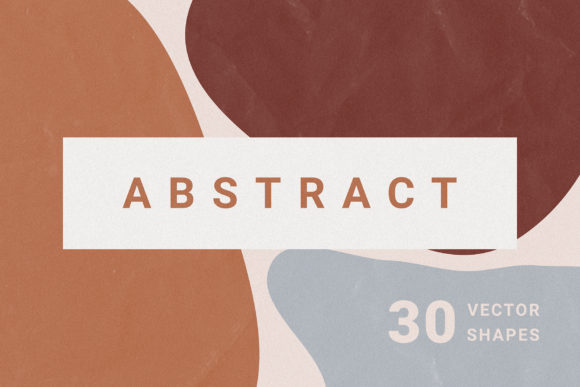
Exploring the Versatility of Abstract Vector Shapes in Modern Design
The Rise of Abstract Vector Shapes in Creative Industries
In today's digital landscape, designers and creators are constantly seeking tools that offer both flexibility and visual impact. One such tool that has gained significant traction is Abstract Vector Shapes. These shapes are not only visually appealing but also incredibly versatile, making them ideal for a wide range of applications from print to web projects. Whether you're designing wedding invitations or creating branding materials, abstract vector shapes provide an excellent foundation for innovation and creativity.
Abstract vector shapes come in various forms, including geometric patterns, organic curves, and intricate designs. Their adaptability allows them to be used across different mediums, ensuring that they remain relevant in both traditional and digital contexts. As we delve deeper into this topic, we will explore how these shapes can enhance your design workflow and elevate your creative output.
Understanding the Characteristics of Abstract Vector Shapes
Abstract Vector Shapes are defined by their non-representational nature, focusing on form, color, and composition rather than depicting recognizable objects. This characteristic makes them particularly useful for creating unique visual identities that stand out in a crowded marketplace. The use of vectors ensures that these shapes remain crisp and clear at any size, which is essential for both print and digital media.
One of the most notable features of abstract vector shapes is their scalability. Unlike raster images, which can lose quality when resized, vector graphics maintain their clarity regardless of scale. This means that whether you're printing a poster or displaying an image on a website, the integrity of the design remains intact. Additionally, the ability to edit individual elements within a vector graphic allows for greater customization and experimentation with different color schemes and layouts.
Applications of Abstract Vector Shapes Across Various Projects
The versatility of abstract vector shapes extends beyond just aesthetic appeal; they serve practical purposes in numerous design projects. For instance, in the realm of wedding invitations, these shapes can be used to create a personalized touch that reflects the couple's unique style. By combining different shapes and colors, designers can craft invitations that are both elegant and memorable.
Similarly, in branding efforts, abstract vector shapes can help establish a cohesive visual identity. They can be incorporated into logos, packaging, and marketing materials to convey a sense of creativity and innovation. The use of 2020 trend colors in these designs can further enhance their relevance and appeal to contemporary audiences.
For greeting cards and other stationery items, abstract vector shapes offer endless possibilities for customization. Designers can experiment with layering shapes, adding textures, or integrating typography to create a multidimensional experience. This approach not only enhances the visual appeal of the product but also adds a layer of personalization that resonates with consumers.
Utilizing Pre-Made Backgrounds and Compositions
While creating original compositions using abstract vector shapes can be rewarding, many designers opt to start with pre-made backgrounds. These templates provide a solid foundation upon which to build, allowing creators to focus on refining details rather than starting from scratch. Pre-made backgrounds often include a variety of styles, from minimalist to complex, catering to diverse design needs.
Using pre-made backgrounds can significantly streamline the design process, especially for those who may be new to working with vector graphics. It allows for quick prototyping and experimentation without the need for extensive technical knowledge. Moreover, these backgrounds can be easily modified to suit specific project requirements, ensuring that the final product aligns with the intended message or theme.
Considerations When Working with Abstract Vector Shapes
While abstract vector shapes offer numerous benefits, it's important to consider certain factors that can influence their effectiveness in a design project. One key consideration is the choice of colors. The 2020 trend colors mentioned earlier are not only fashionable but also have psychological implications that can affect how viewers perceive the design. Understanding color theory can help designers make informed choices that resonate with their target audience.
Another factor to consider is the balance between complexity and simplicity. While intricate designs can be visually striking, they may overwhelm the viewer if not executed thoughtfully. Striking the right balance is crucial to ensure that the design communicates its intended message effectively without distracting from the main content.
Additionally, the file formats available—such as SVG, PNG, and PDF—should be taken into account based on the intended use of the design. Each format has its own advantages and limitations, so selecting the appropriate one can enhance the overall quality and usability of the final product.
Conclusion: Embracing the Potential of Abstract Vector Shapes
As we have explored, Abstract Vector Shapes offer a wealth of opportunities for designers across various industries. Their adaptability, combined with the ability to customize and innovate, makes them an invaluable asset in modern design practices. Whether you're a professional designer or a hobbyist looking to express your creativity, these shapes can help you achieve stunning results that reflect your unique vision.
By understanding the characteristics, applications, and considerations associated with abstract vector shapes, you can harness their potential to create compelling designs that resonate with your audience. As you embark on your design journey, remember to experiment, explore, and embrace the limitless possibilities that these shapes have to offer.