Flat Style Japanese Tea Equipment: A Modern Approach to Traditional Culture
Flat style Japanese tea equipment offers a unique blend of traditional aesthetics and modern design, making it an appealing choice for various creative and educational projects. This style simplifies the intricate details of classic Japanese tea ceremony tools into clean, stylized forms that are both visually appealing and easy to modify. Whether you're designing promotional materials for a cultural tourism initiative or developing educational content about Japanese history, flat style illustrations can provide a versatile and accessible visual representation.
Understanding Flat Style Japanese Tea Equipment
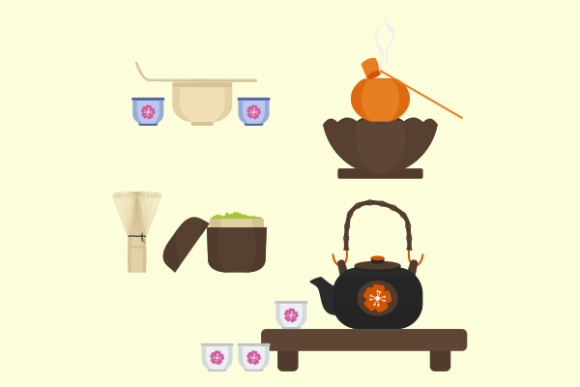
Flat style Japanese tea equipment refers to vector-based illustrations that depict traditional tea ceremony items in a simplified, two-dimensional format. These illustrations eliminate complex shading and textures, focusing instead on clear outlines and solid colors. This approach makes the designs highly scalable and adaptable for different uses, from digital media to print.
The most common elements found in these illustrations include the chawan (tea bowl), chasen (whisk), chashaku (scoop), natsume (tea caddy), and chaire (tea container). Each item is rendered with minimal detail but retains its essential form and function, allowing viewers to recognize the object while appreciating its aesthetic appeal.
Comparing Flat Style with Other Design Styles
When considering design options for Japanese tea equipment, it's important to understand how flat style compares to other approaches such as realistic, line art, or watercolor styles. Each has its own strengths and limitations depending on the intended use.
- Realistic Style: Offers high detail and accuracy, ideal for museum exhibits or academic research where precise representation is crucial. However, these illustrations can be complex and difficult to edit or scale without losing quality.
- Line Art: Focuses on outlines and contours, often used in educational materials. While it maintains clarity, it may lack the visual richness needed for branding or marketing purposes.
- Watercolor Style: Provides a soft, artistic feel that can evoke emotion and atmosphere. However, this style is less practical for digital applications and may not convey the necessary precision for instructional content.
- Flat Style: Combines simplicity with versatility. It allows for easy customization using vector editing software like Inkscape, which is particularly beneficial for those who need to make frequent adjustments or adapt the graphics for multiple formats.
Strengths and Tradeoffs of Flat Style Illustrations
One of the main advantages of flat style Japanese tea equipment illustrations is their ease of modification. Using software like Inkscape, designers can easily change colors, add text, or adjust proportions without compromising the integrity of the design. This flexibility makes them ideal for creating a wide range of content, including infographics, website banners, and educational posters.
Another benefit is the ability to produce high-resolution PNG, EPS, and PDF files, ensuring that the illustrations remain crisp and clear across different mediums. This is especially useful for travel and tourism projects where visuals need to be both eye-catching and professional.
However, there are some tradeoffs to consider. The simplified nature of flat style illustrations may not be suitable for all contexts. For instance, if the goal is to create a detailed historical reference or a guide for authentic tea ceremonies, a more realistic or line-art approach might be more appropriate. Additionally, flat style illustrations may not capture the nuanced textures and materials of actual tea equipment, which could be a drawback for certain educational or artistic applications.
Best-Fit Situations for Flat Style Japanese Tea Equipment
Flat style Japanese tea equipment illustrations are well-suited for several scenarios, including:
- Cultural Tourism Projects: Travel agencies or cultural centers can use these illustrations to highlight traditional practices in promotional materials, brochures, or interactive maps.
- Educational Content: Schools and museums can incorporate these visuals into lesson plans, exhibitions, or online learning modules to teach students about Japanese history and customs.
- Graphic Design and Branding: Businesses looking to incorporate traditional Japanese elements into their branding can use these illustrations to create logos, packaging, or advertising campaigns that reflect cultural heritage.
- Interactive Media: Developers working on apps or websites related to Japanese culture can utilize these assets to enhance user experience through engaging and informative visuals.
When to Choose an Alternative Style
While flat style illustrations offer many benefits, they may not be the best option in certain situations. For example, if the project requires a high level of detail or authenticity, a realistic or line-art style might be more appropriate. Similarly, if the goal is to create a visually rich and emotionally evocative piece, a watercolor or ink-style illustration could be a better fit.
It's also worth noting that flat style illustrations may not be ideal for projects that require intricate animations or 3D modeling. In such cases, alternative design approaches or software tools may be necessary to achieve the desired effect.
Practical Examples and Use Cases
Consider a scenario where a travel agency is creating a brochure for a cultural tour in Kyoto. By incorporating flat style Japanese tea equipment illustrations, the agency can visually represent the traditional tea ceremony in a way that is both informative and aesthetically pleasing. These illustrations can be used alongside descriptions of local tea houses, historical sites, and guided experiences.
In another example, a university offering a course on East Asian history might use flat style illustrations to help students identify and understand the various tools used in the Japanese tea ceremony. The simplicity of the design allows for easy integration into presentations, handouts, and digital learning platforms.
For a brand launching a new line of eco-friendly tea products, flat style illustrations can serve as the foundation for packaging designs, social media content, and promotional videos. The clean, modern look of these illustrations aligns well with contemporary branding trends while still honoring traditional craftsmanship.
Making an Informed Decision
Choosing the right design style for your project depends on a variety of factors, including the purpose of the content, the target audience, and the technical requirements. Flat style Japanese tea equipment illustrations are an excellent choice for those seeking a balance between tradition and modernity, offering both visual appeal and practicality.
If you're unsure whether flat style is the best option for your needs, consider experimenting with different styles or consulting with a design professional. Ultimately, the goal is to select a visual representation that effectively communicates your message while remaining true to the cultural and historical context of the subject matter.