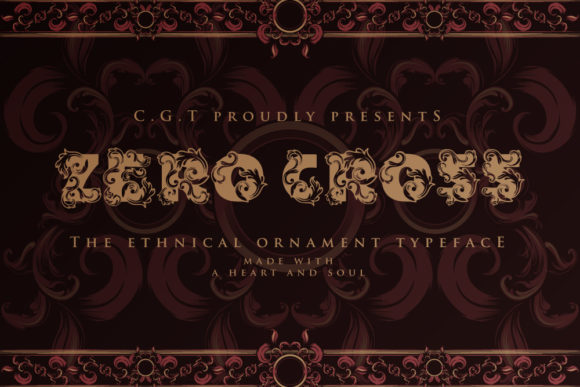
Zero Cross: A Vintage Decorative Font for Creative and Professional Design
Zero Cross is a vintage decorative font that brings a unique and gorgeous aesthetic to any design project. With its elegant curves, intricate details, and nostalgic charm, it stands out as a powerful tool for designers, marketers, and creators who want to add a touch of sophistication and character to their work. Whether you're designing logos, branding materials, or digital content, Zero Cross can elevate your visuals and make them more memorable.
Understanding the Characteristics of Zero Cross
Zero Cross is not just another font; it's a carefully crafted typeface that combines modern usability with the timeless appeal of vintage typography. The font features a distinctive crossbar in the zero character, which gives it its name and adds an artistic flair. This detail makes it ideal for projects where visual storytelling and attention to detail matter most.
The font's design is both legible and ornate, making it suitable for a wide range of applications. Its characters are balanced and well-proportioned, ensuring readability even in smaller sizes. This versatility allows it to be used in various contexts, from headlines to body text, without compromising on style or clarity.
Integrating Zero Cross into Your Design Workflow
When incorporating Zero Cross into your workflow, it's important to consider how it interacts with other elements of your design. Start by identifying the purpose of your project—whether it's branding, marketing, or creative expression—and determine how Zero Cross can enhance that purpose.
Before beginning a project, take time to explore different weights and styles of Zero Cross if available. This will help you understand its full potential and ensure that it aligns with your overall vision. You might also want to experiment with pairing it with complementary fonts to create a cohesive typographic hierarchy.
During the design process, use Zero Cross strategically. For instance, it can serve as a headline font to draw attention, or as a decorative element in subheadings and captions. When using it in longer texts, keep paragraphs short and readable to maintain a professional look.
After completing your design, review how Zero Cross contributes to the overall message and aesthetic. Does it reinforce the brand identity? Is it consistent across all platforms? These questions will help you assess whether the font has been used effectively.
Use Cases for Zero Cross in Different Industries
Zero Cross is a versatile font that can be applied across various industries. In branding, it can help establish a distinct visual identity that resonates with the target audience. Marketers can use it in promotional materials to create a sense of nostalgia or elegance, depending on the campaign's tone.
In the publishing industry, Zero Cross can be used for book covers, magazine layouts, or editorial designs. Its vintage feel complements themes related to history, literature, or retro aesthetics. Educators and bloggers may find it useful for creating visually engaging content that captures the reader's attention.
Freelancers and small business owners can leverage Zero Cross in their websites, social media posts, and client presentations. It adds a personal touch that sets their work apart from competitors. Entrepreneurs looking to build a strong brand presence can benefit from using this font consistently across all marketing channels.
Practical Tips for Using Zero Cross Effectively
To maximize the impact of Zero Cross, follow these practical tips:
- Choose the right color palette: Pair Zero Cross with colors that complement its vintage look. Earthy tones like brown, green, and gold often work well.
- Ensure proper spacing: Adjust letter spacing to maintain readability, especially when using the font in larger formats.
- Limit usage: Use Zero Cross sparingly to avoid overwhelming the viewer. Reserve it for key elements like headings or logos.
- Test across devices: Check how the font appears on different screens and resolutions to ensure consistency.
- Stay consistent: Maintain a consistent typographic style throughout your project to create a unified look.
By following these guidelines, you can ensure that Zero Cross enhances your designs without overshadowing the content or message.
Compatibility and Integration with Other Tools
Zero Cross is compatible with most design software, including Adobe Photoshop, Illustrator, and InDesign. It can also be used in web development with tools like CSS and JavaScript, allowing for seamless integration into digital projects.
When working with digital platforms, ensure that the font is properly embedded or linked so that it displays correctly across different browsers and devices. If you're using it in print, verify that the font is installed on the printer or converted to outlines to prevent rendering issues.
For teams collaborating on a project, share the font file with all members to maintain consistency. Consider using version control systems or cloud storage solutions to manage updates and revisions efficiently.
Long-Term Use and Maintenance
As with any design asset, it's important to evaluate the long-term use of Zero Cross. While it's a beautiful font, overuse or misuse can lead to inconsistency and confusion. Regularly review your projects to ensure that the font remains relevant and effective.
Stay updated on new versions or variations of Zero Cross that may be released. These updates could include additional weights, styles, or language support that expand its usability. Participate in design communities or forums to learn from others who are using the font creatively.
Finally, document your experience with Zero Cross in your design process. This will help you refine your approach and provide valuable insights for future projects.
By understanding how to integrate, use, and maintain Zero Cross, you can unlock its full potential and create designs that stand out in a crowded marketplace. Whether you're a professional designer or a hobbyist, this vintage font offers endless possibilities for creative expression and visual storytelling.