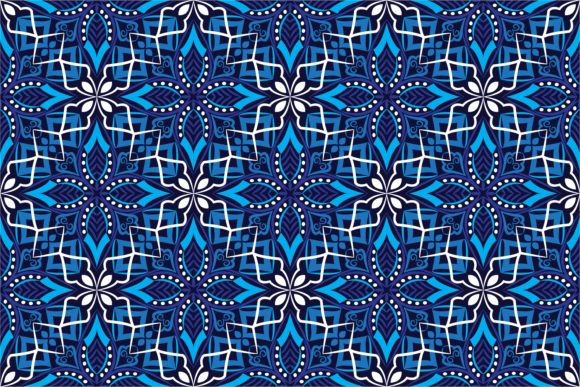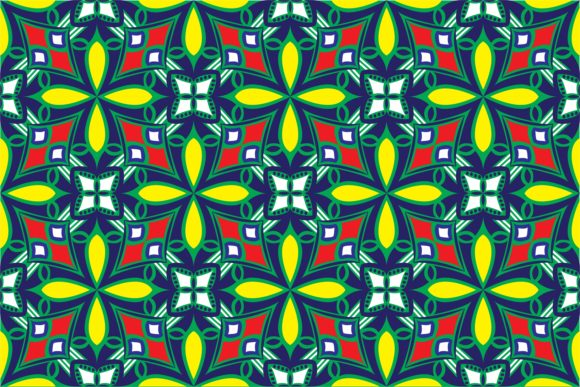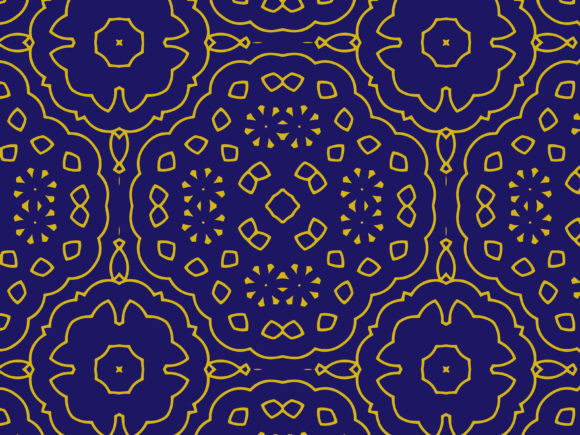
Abstract Background. Seamless Pattern: A Versatile Design Solution for Modern Spaces
Abstract Background. Seamless Pattern is a dynamic and versatile design element that has gained popularity across various industries, from interior design to digital media. This type of pattern combines abstract shapes, colors, and textures in a way that creates a visually appealing, non-repeating background. Its seamless nature ensures that the design can be tiled without visible seams, making it ideal for use on walls, digital interfaces, fabric, and more.
Whether you're looking to enhance the aesthetic appeal of your living space or create a cohesive visual identity for a brand, Abstract Background. Seamless Pattern offers a wide range of possibilities. It is particularly useful for those who want to add depth, texture, and personality to their designs without overwhelming the viewer with too much detail.
Understanding the Concept of Abstract Background. Seamless Pattern
At its core, an Abstract Background. Seamless Pattern is a graphic design that uses abstract forms—such as geometric shapes, organic curves, and irregular patterns—to create a visually interesting surface. The key feature of this type of pattern is that it is designed to repeat seamlessly, meaning that when tiled, there are no visible breaks or mismatches between the tiles.
This makes it especially useful for applications where continuity is essential, such as wallpaper, website backgrounds, fabric prints, and decorative elements. Unlike traditional patterns that may have a clear motif or repetition, Abstract Background. Seamless Pattern focuses on creating a sense of movement, rhythm, and harmony through color and form.
Challenges and Goals When Using Abstract Background. Seamless Pattern
While Abstract Background. Seamless Pattern is a powerful design tool, it also comes with certain challenges. One common challenge is ensuring that the pattern complements the overall design rather than clashing with it. For example, using a highly detailed or busy pattern in a small room may make the space feel cramped or chaotic.
Another challenge is finding the right balance between complexity and simplicity. Too much detail can overwhelm the viewer, while too little may fail to make an impact. Additionally, selecting the appropriate colors and textures is crucial to achieving the desired effect. Users must consider factors such as lighting, room size, and existing decor when choosing a pattern.
Despite these challenges, the goals of using Abstract Background. Seamless Pattern are often clear: to enhance the visual appeal of a space, create a unique identity, or provide a functional design solution. Whether for residential or commercial use, the goal is to achieve a design that is both aesthetically pleasing and practical.
How Abstract Background. Seamless Pattern Can Help Address These Challenges
One of the main advantages of Abstract Background. Seamless Pattern is its ability to transform a space with minimal effort. By choosing a well-designed pattern, users can instantly elevate the look of a room or digital interface. For instance, a subtle geometric pattern can add interest to a plain wall without overpowering the space, while a bold, colorful ornament can serve as a statement piece.
Additionally, Abstract Background. Seamless Pattern offers flexibility in terms of application. It can be used in a variety of settings, including home interiors, office spaces, fashion design, and even digital media. Its versatility allows users to experiment with different styles and combinations, making it a valuable asset for designers and homeowners alike.
For those working on digital projects, such as websites or mobile apps, Abstract Background. Seamless Pattern provides a clean and professional backdrop that enhances readability and user experience. It can be customized to match brand colors and aesthetics, ensuring a cohesive visual identity across all platforms.
Practical Applications and Outcomes
The applications of Abstract Background. Seamless Pattern are diverse and far-reaching. In interior design, it can be used to create a focal point in a room, add texture to a plain surface, or introduce a new color palette. For example, a seamless pattern with a mix of geometric shapes and soft gradients can add depth and dimension to a minimalist space.
In the world of fashion and textiles, Abstract Background. Seamless Pattern can be used to create unique fabric prints that stand out from traditional designs. Whether it's a bold, colorful ornament or a subtle, textured background, the possibilities are endless.
For digital designers, Abstract Background. Seamless Pattern serves as a versatile tool for creating engaging visuals. It can be used as a background for presentations, social media posts, or website headers. Its seamless nature ensures that the design remains consistent and visually appealing, regardless of the screen size or resolution.
The outcomes of using Abstract Background. Seamless Pattern are often positive. Users report increased satisfaction with their design choices, improved aesthetics, and greater functionality. Whether it's a small home project or a large-scale commercial design, the results speak for themselves.
Examples, Recommendations, and Useful Considerations
To get started with Abstract Background. Seamless Pattern, it's important to consider the specific needs and goals of the project. For example, if you're designing a website, you might choose a pattern that complements your brand colors and enhances readability. If you're decorating a room, you might opt for a pattern that adds warmth and texture to the space.
Some popular examples of Abstract Background. Seamless Pattern include geometric patterns with contrasting colors, organic shapes with soft gradients, and intricate ornamental designs with a modern twist. Each of these patterns offers a unique look and feel, allowing users to find one that suits their personal style and preferences.
When selecting a pattern, it's also important to consider the scale and placement. A large, bold pattern may work well in a spacious room but could be overwhelming in a smaller space. Similarly, a subtle, textured pattern may be more suitable for a minimalist design.
Another consideration is the material or medium being used. For example, a pattern designed for wallpaper may need to be more durable and resistant to fading, while a pattern used for digital media should be optimized for clarity and resolution.
Finally, it's worth noting that different users may approach Abstract Background. Seamless Pattern in different ways. Some may prefer to work with pre-designed templates, while others may enjoy creating their own custom patterns. Regardless of the approach, the key is to focus on the end result and ensure that the pattern enhances the overall design.
By understanding the concept, addressing the challenges, and exploring the practical applications of Abstract Background. Seamless Pattern, users can unlock a world of creative possibilities. Whether for personal use or professional projects, this versatile design element offers a unique way to express creativity and enhance visual appeal.