Abstract Decorative Seamless Pattern: A Versatile Design Tool for Modern Creators
Abstract Decorative Seamless Pattern is a design element that blends creativity with functionality, offering a unique way to enhance visuals across various mediums. Whether you're working on digital projects, print materials, or even home decor, this pattern provides a flexible solution that can adapt to different styles and purposes. Unlike traditional patterns, which often repeat in predictable ways, abstract decorative seamless patterns offer a more dynamic and artistic approach, allowing for endless possibilities in design.
Understanding the Basics of Abstract Decorative Seamless Pattern
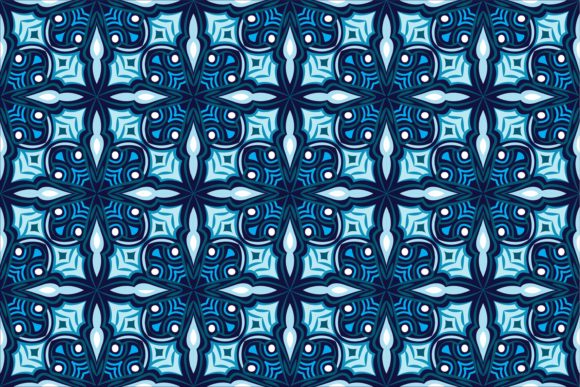
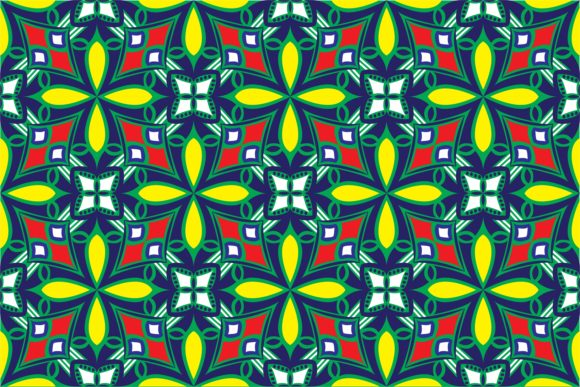
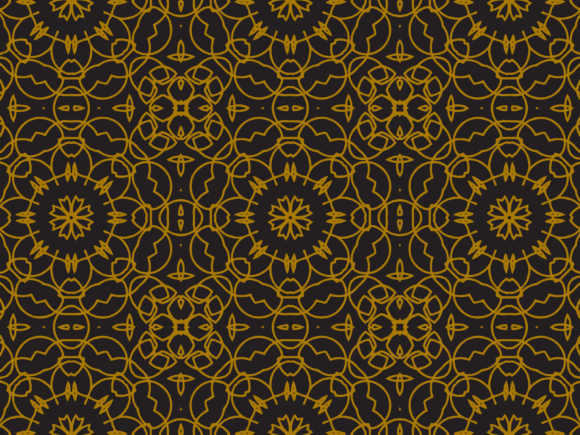
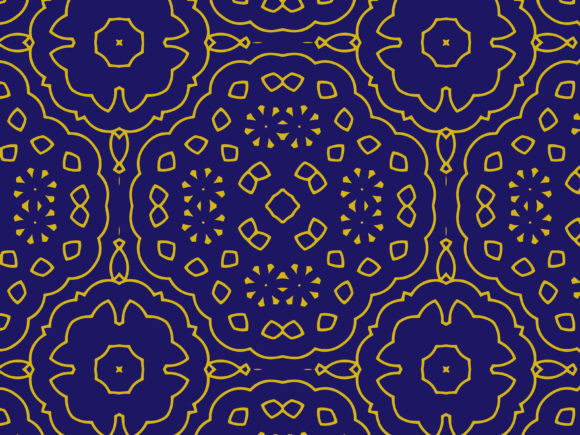
An abstract decorative seamless pattern is a repeating graphic that doesn't follow a strict geometric shape or motif. Instead, it uses fluid lines, organic shapes, and unexpected color combinations to create a visually engaging design. The term "seamless" refers to the fact that the pattern can be repeated without visible edges or breaks, making it ideal for backgrounds, fabric prints, and digital assets.
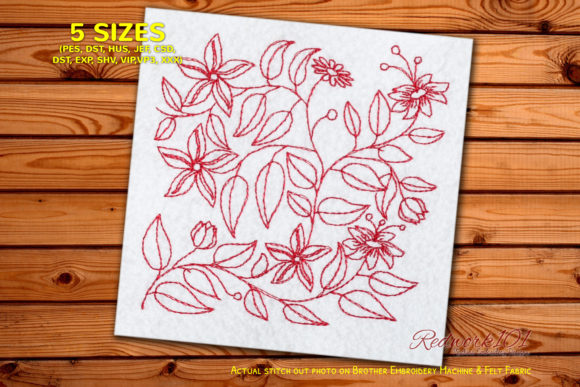
The Box Stitch shown in picture is optional, and the color of the outer box may vary depending on the design. In many cases, the box is used as a framing element, but if it doesn’t contribute to the overall aesthetic, users can skip it entirely during the creation process. This flexibility makes the pattern adaptable to a wide range of creative needs.
Real-World Applications of Abstract Decorative Seamless Pattern
Abstract Decorative Seamless Pattern isn't just a pretty addition to your design toolkit—it's a practical resource that can be used in a variety of real-world situations. Let’s explore some of the most common use cases and how they benefit different types of users.
1. Digital Marketing and Web Design
Marketers and web designers often need eye-catching backgrounds that don’t distract from the content. An abstract decorative seamless pattern can serve as a subtle yet stylish backdrop for websites, social media posts, and email campaigns. Its non-repetitive nature ensures that the design remains engaging without overwhelming the viewer.
For example, a small business owner looking to revamp their website might choose an abstract pattern that complements their brand colors while adding visual interest. This approach helps maintain a professional look while standing out from generic templates.
2. Print and Packaging Design
In the world of print, seamless patterns are invaluable for creating cohesive designs across multiple products. From packaging to promotional materials, these patterns ensure consistency while adding a touch of originality. A boutique clothing brand, for instance, might use an abstract pattern on their product tags or hang tags to reinforce their brand identity.
When using the Box Stitch option, it's important to consider whether the box color aligns with the overall design theme. If not, skipping it can help maintain a clean and unified look.
3. Interior Design and Home Decor
Interior designers and homeowners alike can benefit from abstract decorative seamless patterns in textiles, wall coverings, and furniture. These patterns add depth and character to spaces without being too busy. A living room with neutral tones, for example, could come to life with a bold abstract pattern on throw pillows or curtains.
One key consideration when choosing a pattern for home use is the size of the space. Larger patterns can make a room feel more expansive, while smaller ones can add texture to a cozy nook.
4. Educational Materials and Presentations
Teachers and educators often need visually appealing materials to engage students. Abstract decorative seamless patterns can be used in presentations, handouts, and classroom decorations to create an environment that encourages creativity and learning. A science teacher, for instance, might use a pattern with organic shapes to illustrate concepts related to biology or geology.
When selecting a pattern for educational use, it's important to prioritize clarity and readability. The pattern should enhance the content rather than compete with it.
What to Consider Before Using Abstract Decorative Seamless Pattern
Before diving into using an abstract decorative seamless pattern, there are several factors to keep in mind. These considerations will help ensure that the pattern serves its intended purpose and enhances the overall design rather than detracting from it.
- Color Harmony: Choose a pattern that complements your existing color palette. If the outer box color doesn't fit, it's perfectly acceptable to skip it.
- Scale and Proportion: Consider how the pattern will look at different sizes. A pattern that works well on a website may not translate well to a large banner or poster.
- Context and Purpose: Think about where and how the pattern will be used. A pattern designed for a digital background may not be suitable for a printed poster.
- Software Compatibility: Make sure the pattern file format is compatible with your design software. Common formats include PNG, JPEG, and SVG.
How Different Users Benefit from Abstract Decorative Seamless Pattern
Whether you're a designer, marketer, educator, or hobbyist, abstract decorative seamless patterns offer something valuable. For creators, they provide a quick and easy way to add visual interest to projects. For marketers, they offer a way to stand out in a crowded digital landscape. And for everyday users, they can transform ordinary spaces into something extraordinary.
Take a blogger who wants to refresh their blog's look. By incorporating an abstract pattern into their header or sidebar, they can create a more dynamic and engaging experience for their readers. Similarly, a small business owner can use the same pattern on branded merchandise to build recognition and loyalty.
Ultimately, the beauty of abstract decorative seamless patterns lies in their versatility. They can be tailored to suit almost any project, making them an essential tool for anyone looking to elevate their designs and bring a unique touch to their work.